The Tactical Snack: Why Saving Your Weapons in CSGO Mirrors the Last Slice of Pizza
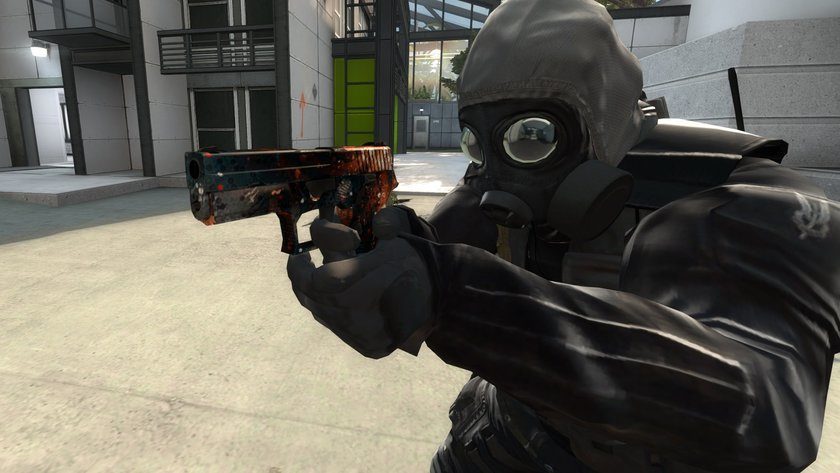
In the competitive world of CSGO, every decision can mean the difference between victory and defeat. Just like holding onto that last slice of pizza can be a strategic decision during a gathering, saving your weapons serves a critical purpose in your gameplay. When you save your weapons, you're making a tactical choice to bolster your chances in the following round, ensuring that you have the necessary resources to engage in combat effectively. It's about playing the long game; while your teammates may be tempted to spend their cash on a new rifle, you stand firm, knowing that your saved weapon gives you an edge in sustainability and performance.
Moreover, think of the last slice of pizza as a resource that provides not just sustenance but also an opportunity for strategic advantage. Much like that coveted piece of pizza, saving weapons in CSGO can sometimes be a hard choice, especially when the team pressure calls for immediate action. However, it's often the player who can resist the temptation of immediate gratification that ultimately secures the victory for the team. In both scenarios, tactical decisions shape outcomes, reminding us that preserving resources can often yield greater rewards down the line, whether on the battlefield or at a pizza party!
Counter-Strike is a highly popular tactical first-person shooter franchise that pits teams of terrorists against counter-terrorists in various objective-based gameplay modes. Players often customize their experience with unique CS2 Weapon Skins, adding a personal touch to their arsenal. The game emphasizes teamwork, strategy, and skill, making it a favorite among competitive gamers worldwide.
Holding onto Victory: The Strategy Behind Saving Weapons and the Last Pizza Slice
Holding onto victory is more than just a phrase; it's a strategy that can be applied to various aspects of life, from games to everyday decisions. Just like saving your weapons in a tough battle can turn the tide in your favor, preserving the last pizza slice can hold emotional and social significance. In competitive settings, whether it's in sports or gaming, strategically withholding certain resources can leave your opponents guessing and off-balance. Similarly, in casual scenarios, opting to save the last piece of pizza not only heightens anticipation but can also foster camaraderie among friends, leading to memorable moments over laughter and shared experiences.
To effectively implement this strategy, one must evaluate the context and potential outcomes. For instance, in a game, retaining your weapons until a critical moment can be an advantage, allowing for a decisive comeback. In social gatherings, considering who will appreciate the last pizza slice can enhance team dynamics. There are several tactics one might employ:
- Assess the competitive landscape: Understand your opponents' strategies.
- Hold back key resources: Just like in a game, timing is key.
- Engage in value-based sharing: Ensure that the last slice goes to someone who appreciates it.
Is It Worth It? The Psychological Battle of Saving Weapons Like the Final Slice
The decision to save weapons, much like cherishing the final slice of cake, often brings forth a psychological battle that can lead to both satisfaction and regret. When faced with the prospect of holding onto these items, individuals frequently weigh the tangible benefits against the emotional ramifications. For many, the idea of ‘saving’ becomes intertwined with a sense of achievement and preservation, reflecting a deeper connection to memories and experiences. Yet, this can create a conundrum: does the joy of retaining such weapons outweigh the inevitable burden that comes with them?
On one hand, the psychological value of keeping weapons can evoke nostalgia and a feeling of safety, especially when they serve a significant purpose. Conversely, it can also represent a fear of loss or change, making it difficult to let go. Just as one might savor that final slice of cake, hoarding these objects becomes an emotional safeguard. Ultimately, it's essential to recognize and examine these motivations, as understanding the intricacies of the psychological warfare involved can lead to healthier decision-making regarding both tangible items and fleeting memories.