Unlocking Engagement: Essential Tactics for Player Lifecycle Marketing
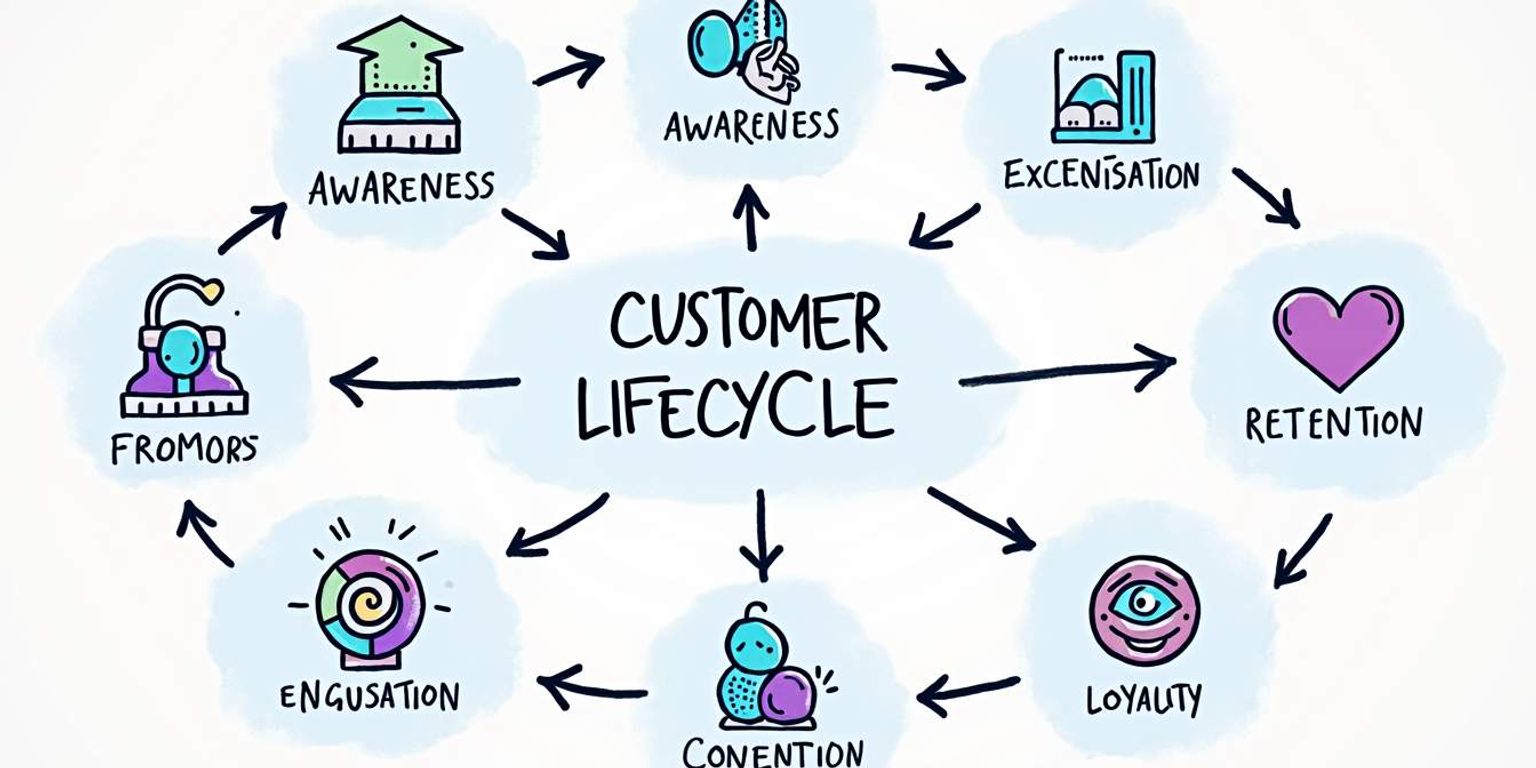
Player lifecycle marketing is a dynamic approach that focuses on enhancing engagement and retention throughout a player's journey. This strategy involves understanding the different phases of a player's lifecycle, from onboarding to re-engagement. By leveraging data and insights, marketers can tailor their communication and offers to meet the specific needs of players at each stage. For instance, during the onboarding phase, welcoming messages and tutorials can significantly increase initial engagement, while personalized incentives during retention periods can keep players coming back for more.
Implementing key tactics such as segmentation, personalization, and automated communication can dramatically improve player engagement. Start by segmenting your audience based on their behavior and preferences, allowing for targeted messages that resonate more profoundly. Incorporating personalized content—whether through special in-game rewards or unique challenges—can enhance the player experience and foster loyalty. Furthermore, leveraging automated communication tools ensures timely and relevant interactions, crucial for maximizing engagement throughout the player lifecycle.
Counter-Strike is a popular first-person shooter game that has captivated millions of players worldwide. With its tactical gameplay and competitive nature, it's become a staple in esports. For players looking to enhance their experience, utilizing a betpanda promo code can provide exciting advantages.
The Hidden Stages of Player Retention: What You're Missing
When it comes to player retention, many developers and marketers focus solely on the initial stages such as onboarding and engagement. However, there are hidden stages that play a crucial role in keeping players coming back. The first hidden stage is community building, where players form connections not just with the game, but also with each other. Fostering a strong community through forums, social media, and in-game events can enhance player loyalty significantly. When players feel like they are part of a community, their emotional investment in the game deepens, leading to improved retention rates.
Another often-overlooked stage is feedback implementation. Many players provide valuable insights through feedback, but it is essential for developers to actively respond to this feedback by making the necessary improvements. Not only does this show players that their opinions matter, but it also creates a cycle of trust and engagement. By prioritizing player suggestions and transparently communicating changes, developers can create a lasting bond with their audience and maintain a higher retention rate. Understanding and leveraging these hidden stages can drastically change how you approach player retention.
How to Identify and Cultivate Your Most Valuable Players
Identifying your most valuable players (MVPs) is crucial for the success of any team or organization. Start by evaluating performance metrics that highlight individual contributions. Look for patterns in productivity, collaboration, and innovation. Conduct regular feedback sessions where team members can express their views on who they believe adds the most value. This can help in creating a comprehensive list that reflects both data-driven assessments and peer feedback.
Once you've identified your MVPs, the next step is to cultivate their skills and enhance their impact. Consider implementing personalized development plans that focus on their strengths while also addressing areas for improvement. Regular training sessions, mentorship opportunities, and recognition programs can further motivate these key players. By investing in your MVPs, you not only boost their morale but also create a more dynamic and productive environment for everyone.