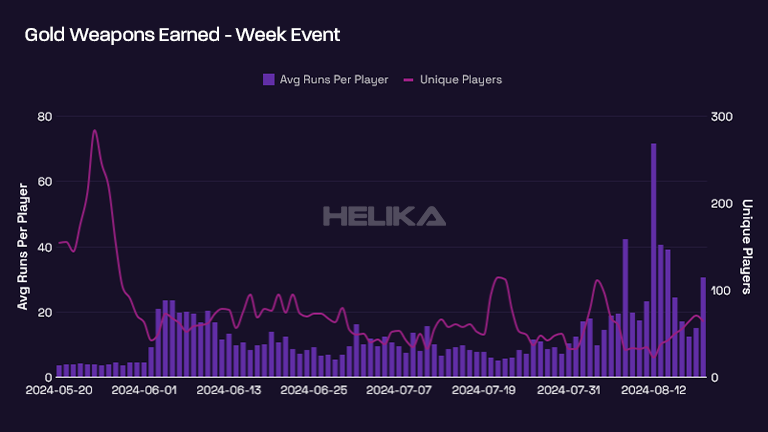
Understanding Player Types: A Deep Dive into Player Segmentation
In the world of gaming, understanding player types is crucial for creating engaging experiences that resonate with diverse audiences. Player segmentation allows developers and marketers to categorize players based on their behaviors, preferences, and motivations. By identifying distinct player types, such as achievers, explorers, socializers, and killers, you can tailor content and game mechanics to enhance user satisfaction and retain players. This deep dive into player segmentation emphasizes the need for personalized experiences that cater to each group's unique characteristics and desires.
To effectively segment players, you may consider utilizing a variety of methodologies, such as surveys, gameplay data analysis, and player feedback. For instance, by analyzing user behavior, you can uncover patterns and trends that distinguish one player type from another. Once you have established these segments, you can implement strategies like targeted marketing campaigns and personalized game updates that speak directly to the interests of each player category. Ultimately, mastering the art of player segmentation not only improves player engagement but can also lead to increased revenue and loyalty, solidifying your game's position in a competitive market.
Counter-Strike is a popular first-person shooter game that has garnered a massive following since its release. Players compete in teams, taking on the roles of terrorists and counter-terrorists to complete objectives. For those looking to enhance their gaming experience, using a roobet promo code can provide some exciting benefits!
The Psychology Behind Player Segmentation: What Drives Engagement?
Understanding the psychology behind player segmentation is crucial for game developers aiming to enhance player engagement. By categorizing players based on their behaviors, preferences, and motivations, developers can tailor experiences that resonate with specific groups. This segmentation often includes factors such as play styles, demographics, and purchase behaviors. By recognizing distinct player types, such as achievers, explorers, socializers, and killers, developers can create targeted content that drives deeper engagement for each segment.
Another key element to consider is the role of emotional triggers in player engagement. Different segments may respond better to various aspects of gameplay, such as competitive challenges, cooperative tasks, or narrative-driven experiences. For example, competitive players might be more engaged by leaderboards and rewards, while narrative-driven players seek immersive storytelling. By understanding these psychological motivators, developers can enhance player satisfaction and retention rates, ultimately creating a more thriving gaming community.
How to Leverage Player Data for Tailored Gaming Experiences
In the competitive landscape of gaming, effectively leveraging player data can significantly enhance the overall gaming experience. By collecting and analyzing metrics such as gameplay patterns, preferences, and spending behavior, developers can uncover valuable insights that inform game design and marketing strategies. For instance, utilizing a combination of analytics tools and player feedback allows developers to tailor game content and features to better meet the unique desires of their audience, leading to improved engagement and retention rates.
Moreover, implementing personalized gaming experiences can be achieved through targeted recommendations and adaptive gameplay mechanics. For example, based on players' previous actions, games can offer customized challenges or unlock special rewards that resonate with their individual preferences. This not only encourages deeper player investment but also fosters a sense of community as gamers discover content that truly aligns with their expectations. In conclusion, harnessing player data is essential for creating memorable and enjoyable gaming journeys that keep players coming back for more.