Understanding Player Lifecycle Marketing: Key Stages Explained
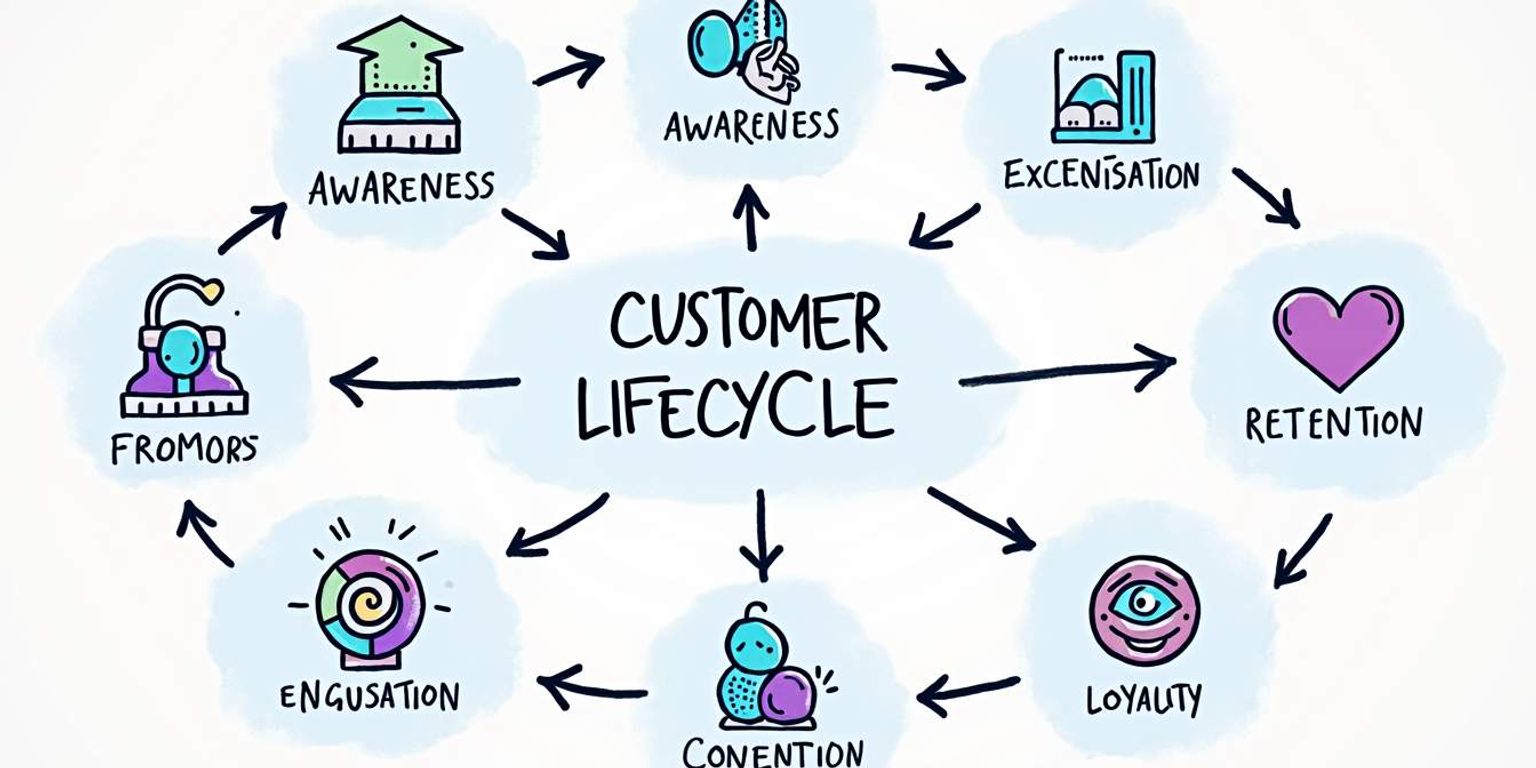
Player lifecycle marketing is a crucial strategy for engaging and retaining players in the gaming industry. Understanding the different stages of a player's lifecycle is essential for tailoring marketing efforts effectively. The key stages include acquisition, where potential players are attracted through targeted marketing campaigns, and onboarding, which focuses on guiding newcomers into the game experience. During the onboarding process, it is vital to provide a seamless introduction to the game mechanics, enabling players to learn and engage with the game quickly.
Once players are onboarded, the next stage is engagement, where strategies are implemented to keep players active and invested in the game. This can include in-game events, challenges, and rewards that keep their interest piqued. Following engagement, the retention phase aims to ensure players remain loyal and continue to return to the game. Lastly, the advocacy stage is where satisfied players become ambassadors for the game, sharing their positive experiences with others and contributing to organic growth through word-of-mouth. By understanding and optimizing these stages of the player lifecycle, developers can significantly enhance player satisfaction and long-term success.
Counter-Strike is a popular tactical first-person shooter game that has captivated millions of players around the world. The game pits two teams against each other, with one side taking on the role of terrorists and the other as counter-terrorists. Players can enhance their gameplay experience through various promotions, including the betpanda promo code, which offers exciting bonuses and incentives.
Strategies for Transforming New Players into Loyal Legends
Transforming new players into loyal legends requires a well-structured approach that engages them from the start. First and foremost, onboarding is vital. Utilize tutorials and guided experiences to familiarize them with gameplay mechanics. Implement features such as daily challenges or welcome rewards to incentivize their participation. Additionally, create a community feel by introducing social features where players can connect, collaborate, and share strategies, thus enhancing their engagement and loyalty.
Another key strategy is to implement a feedback loop. Regularly seek input from new players through surveys or in-game feedback options, ensuring they feel valued and heard. Addressing their concerns and swiftly implementing changes reflects a commitment to improving their experience. Furthermore, leverage personalization by offering tailored recommendations based on their play style. This bespoke approach fosters a deeper connection to the game, solidifying their transformation from new players to loyal legends.
How to Identify and Engage Players at Every Stage of the Lifecycle
Understanding the player lifecycle is crucial for maintaining engagement and ensuring long-term retention in gaming. The lifecycle typically consists of four main stages: Acquisition, Engagement, Retention, and Monetization. To effectively identify players at each stage, start by analyzing user data and behavior. For instance, use analytics tools to track how new players discover your game (Acquisition) and how frequently they log in or participate in events (Engagement). This data will help you tailor specific strategies that resonate with players depending on their lifecycle stage.
Once you have identified players within these stages, it’s time to implement targeted engagement tactics. For players in the Acquisition phase, consider offering incentives such as free trials or welcoming bonuses. In the Engagement phase, create in-game events or challenges that encourage users to explore different features. For those at the Retention stage, personalized communication through emails or push notifications can remind them why they love your game. Finally, during the Monetization stage, introduce exclusive content or premium items that enhance their gaming experience and encourage spending.