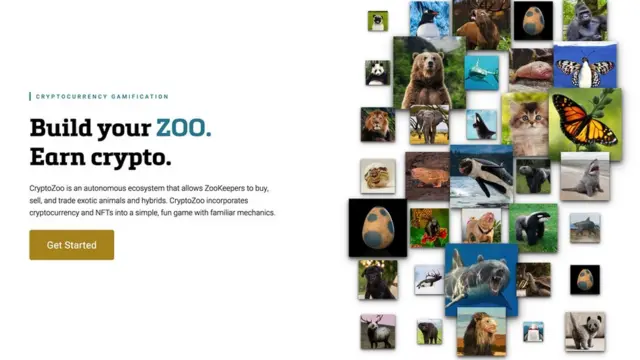
The Gamified Future: How Crypto Economies are Shaping the Gaming Industry
The intersection of crypto economies and gaming is ushering in a gamified future that promises to revolutionize the industry. By integrating blockchain technology, game developers are creating immersive environments where players can earn, trade, and leverage in-game assets as real-world cryptocurrencies. This shift not only empowers players with greater control over their in-game possessions but also fosters vibrant economic ecosystems where the value of digital assets can fluctuate based on supply and demand. As a result, gaming is evolving from mere entertainment into a lucrative venture, attracting both gamers and investors alike.
Furthermore, the incorporation of cryptocurrencies in gaming can also enhance player engagement through play-to-earn models, where players can earn tangible rewards for their time and effort. For instance, decentralized games like Axie Infinity and Decentraland have demonstrated how players can monetize their skills and creativity by participating in virtual worlds, thereby enriching their gaming experience. As this trend continues to grow, it raises the possibility of a future where traditional payment models are replaced by decentralized economies, creating a more equitable landscape for all participants in the gaming ecosystem.
Counter-Strike is a highly popular first-person shooter game that emphasizes team-based gameplay and strategy. Players can choose to be part of either the terrorist or counter-terrorist team, each with specific objectives to complete. If you're looking to enhance your gaming experience, you can also check out the bc.game promo code for additional perks and bonuses.
Play-to-Earn: Unpacking the Mechanics Behind Game-Based Cryptocurrencies
The rise of Play-to-Earn games has revolutionized the gaming industry by allowing players to earn real-world cryptocurrencies through their in-game activities. This innovative model leverages blockchain technology, enabling players to not only enjoy immersive gaming experiences but also to accumulate digital assets that can appreciate in value. In a traditional gaming paradigm, players invest time and money into games without seeing any financial return; however, the mechanics behind Play-to-Earn change this narrative, offering a decentralized ecosystem where in-game achievements can translate into tangible rewards.
At the heart of the Play-to-Earn concept are non-fungible tokens (NFTs), which provide unique ownership of in-game items, characters, and virtual land. These NFTs can be traded, sold, or used across different games, fostering an interconnected gaming environment where players benefit financially from their gameplay. Additionally, many of these games incorporate a dual-token economy: one for in-game transactions and another for governance and stakeholding, empowering players to influence the game’s development while potentially earning passive income. Such mechanics not only enhance player engagement but also reshape the landscape of digital economies.
Are Crypto Games the Next Big Thing? Exploring Trends and Opportunities in Gaming Economies
The rise of crypto games has captivated the gaming community, sparking discussions about their potential to become the next big thing in the industry. These games, which incorporate blockchain technology and cryptocurrency, offer players unique opportunities to earn rewards and trade in-game assets. As the demand for digital ownership and player-driven economies grows, many developers are pivoting towards integrating these elements into their gaming platforms. The convergence of gaming and blockchain technology is not just reshaping how players interact with games; it is also paving the way for new monetization models that challenge traditional video game sales.
With the increasing popularity of play-to-earn models, the future of crypto games appears bright. Players are now able to earn cryptocurrency by actively participating in games, which can then be traded or utilized in various ways. Opportunities for gamers are expanding as more projects emerge, offering diverse experiences from role-playing games to strategic simulations. Furthermore, the integration of decentralized finance (DeFi) within gaming ecosystems allows for innovative economic structures, enhancing the overall engagement and sustainability of gaming economies. This trend signals a significant shift in how we perceive gaming, not just as entertainment, but as a viable source of income and investment.