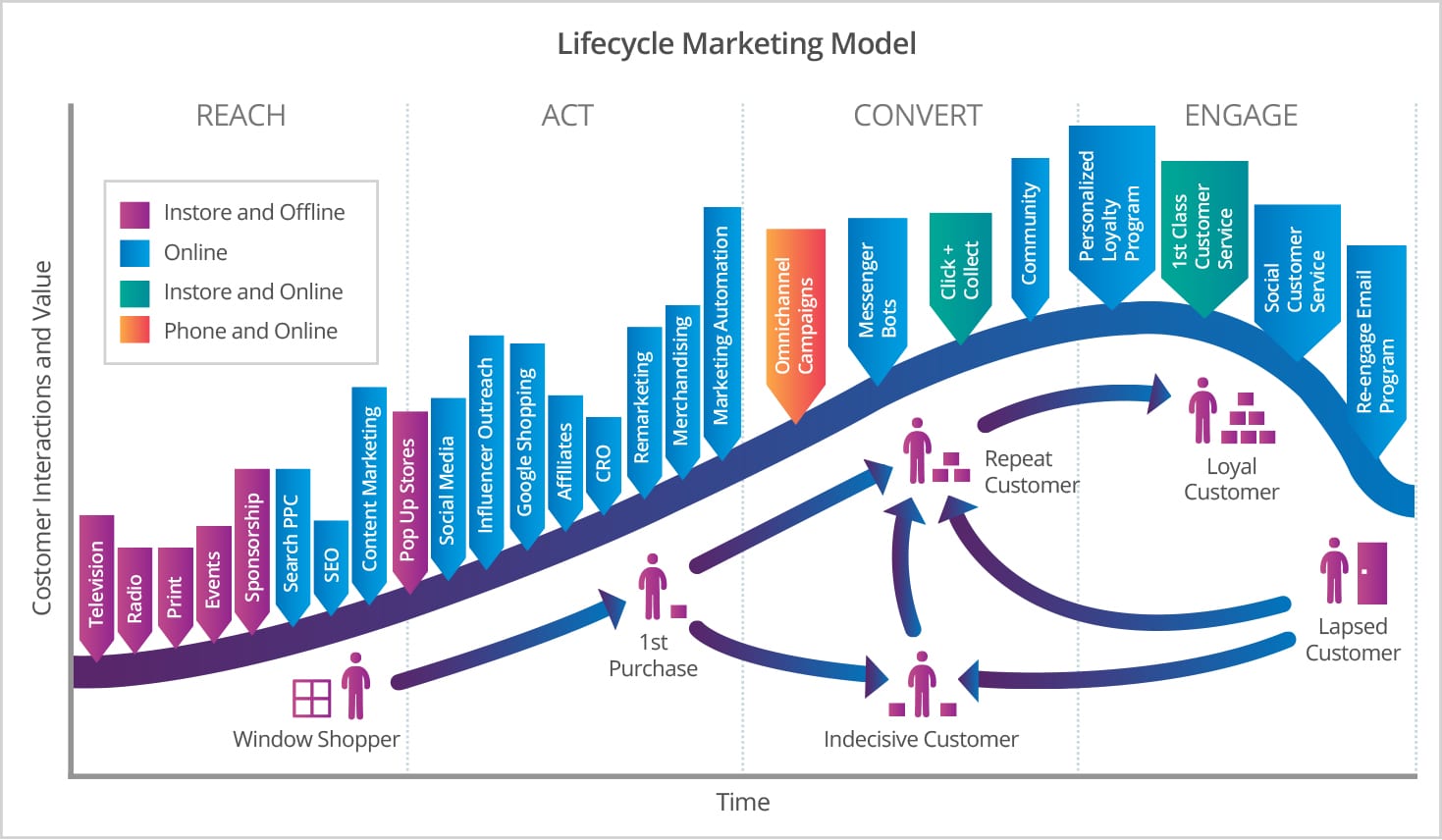
Understanding the Player Lifecycle: Key Stages and Strategies
Understanding the Player Lifecycle is crucial for any gaming company seeking to enhance user engagement and retention. The lifecycle can be broadly divided into several key stages: Acquisition, Activation, Retention, Revenue, and Referral. Each stage requires tailored strategies to effectively guide players through their journey. For instance, during the Acquisition phase, it’s important to utilize targeted marketing campaigns to attract potential players. Following this, the Activation stage should focus on delivering an outstanding first-time experience, ensuring that new players are introduced to the game's mechanics and community in an engaging manner.
Once players are activated, the focus shifts to Retention. This stage is all about keeping players engaged over the long term. Strategies such as personalized content, regular updates, and community engagement can significantly enhance player loyalty. Next, the Revenue stage emphasizes monetization strategies, which might include in-game purchases, subscriptions, or advertisements. Finally, encouraging players to become advocates during the Referral stage can lead to organic growth through word-of-mouth. By understanding and leveraging each stage of the Player Lifecycle, game developers can create a more sustainable and profitable platform.
Counter-Strike is a popular tactical first-person shooter that has captivated gamers around the world. Players assume the roles of terrorists or counter-terrorists in various game modes, competing to accomplish specific objectives. For those looking to enhance their gaming experience, using a betpanda promo code can provide exciting bonuses.
Top 5 Player Engagement Tactics to Transform Your Game
Player engagement is crucial for the success of any game, as it not only keeps players coming back but also enhances their overall experience. Here are the Top 5 Player Engagement Tactics that can help transform your game:
- Interactive Storytelling: Craft an immersive narrative that allows players to make choices that influence the story's outcome.
- In-Game Rewards: Implement a rewards system that recognizes players' achievements and encourages them to keep progressing.
- Community Building: Create forums or social media groups where players can connect, share experiences, and foster a sense of belonging.
- Regular Updates: Keep your game fresh and exciting with consistent updates that introduce new content, features, or events.
- Feedback Loops: Actively seek player feedback to understand their needs and desires, and make necessary adjustments to improve their experience.
How to Use Data Analytics to Drive Player Retention and Revenue
In the competitive landscape of gaming, data analytics play a crucial role in driving both player retention and revenue. By leveraging data on player behavior, game usage patterns, and feedback, developers can make informed decisions that enhance the gaming experience. One effective strategy is to utilize predictive analytics to identify trends and anticipate player needs. For instance, analyzing user engagement metrics can help you pinpoint which features are most popular and determine when players are at risk of leaving the game.
Once you have gathered relevant data, it's essential to implement personalized engagement strategies. This can include tailored messaging through in-game notifications or emails based on player activity. For example, if a player frequently participates in events, you might consider offering personalized rewards to encourage continued participation. Additionally, employing A/B testing can help you refine these strategies by comparing different approaches and measuring their impact on retention rates and revenue growth.