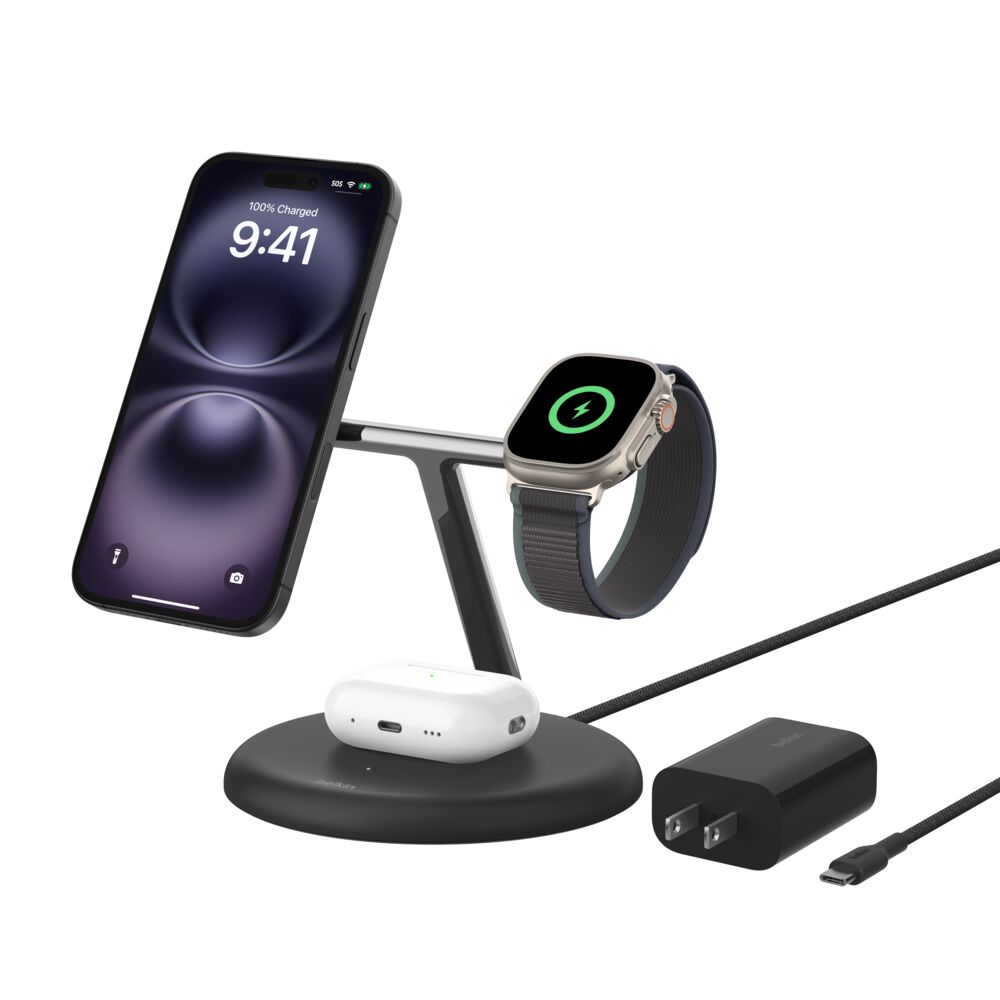
How Wireless Charging Works: Unpacking the Technology Behind the Convenience
Wireless charging is a groundbreaking technology that allows devices to recharge without the hassle of cables. At its core, this technology utilizes electromagnetic fields to transfer energy between two objects. The process begins with a charging pad, which contains a transmitter coil that generates an alternating magnetic field. This magnetic field induces a current in a receiver coil located within the device—such as smartphones or smartwatches—allowing the battery to recharge efficiently. This method not only enhances convenience but also reduces wear and tear on charging ports, ultimately prolonging the lifespan of your devices.
The concept behind wireless charging is largely based on inductive charging, a technology that has been used for years in electric toothbrushes and other small appliances. More advanced techniques, such as resonant charging, have emerged, allowing for greater distances between the charger and the device. However, users should note that while wireless charging offers tremendous convenience, it may not always match the speed of traditional wired charging methods. Keeping these nuances in mind can help users maximize the benefits of wireless charging while understanding its limitations.
Counter-Strike is a highly popular first-person shooter game that emphasizes teamwork and strategy. Players can choose between two teams, terrorists and counter-terrorists, striving to complete objectives such as bomb defusal or hostages rescue. While engaging in gameplay, you might also be interested in checking out the Top 10 iphone slim cases to keep your device protected during intense gaming sessions.
The Benefits of Wireless Charging: Why You Should Make the Switch
Wireless charging is rapidly becoming a staple in our tech-driven world, offering users a more convenient way to power their devices. One of the primary benefits is the reduction of cable clutter; with no cords to manage, your workspace looks cleaner and more organized. This convenience extends to the user experience as well – simply placing your device on a charging pad eliminates the hassle of fumbling with chargers. Additionally, many wireless chargers are designed to be universal, making them compatible with various devices, which can save you money in the long run.
Another compelling reason to make the switch to wireless charging is its advanced safety features. Most wireless chargers are equipped with technology that prevents overheating and overcharging, which can help prolong the lifespan of your devices. Furthermore, the use of wireless charging can lead to less wear and tear on charging ports, as you’re not constantly plugging and unplugging cables. In conclusion, with its blend of efficiency, safety, and ease of use, wireless charging is a smart investment for anyone looking to enhance their tech experience.
Is Wireless Charging Safe for Your Devices? Debunking Common Myths
Wireless charging has rapidly gained popularity as a convenient alternative to traditional charging methods. However, many users are concerned about its safety and potential impact on their devices. Is wireless charging safe for your devices? The answer is generally yes, provided you use high-quality chargers and adhere to your device manufacturer's guidelines. Wireless chargers utilize electromagnetic fields to transfer energy, which is typically safe. It's important to note that reputable manufacturers design their wireless chargers with numerous safety features, such as overcurrent protection and temperature regulation, which minimize the risk of damage to your device.
Despite its safety, several myths surrounding wireless charging persist. For instance, some believe that using wireless chargers can significantly harm battery life or lead to overheating. In reality, wireless charging is designed to manage power efficiently, often reducing the risk of overheating. Moreover, many modern smartphones are equipped with smart battery technology that can adapt to different charging methods. Another common misconception is that wireless charging might cause radiation exposure; however, the levels of electromagnetic fields produced during charging are well below regulatory limits, making it a safe option for daily use.