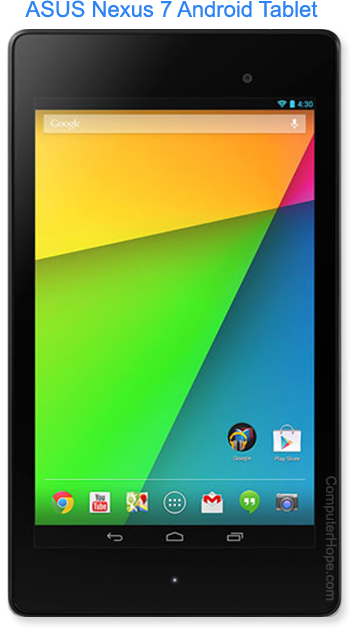
How Tablets Are Transforming Work and Play: A Deep Dive
In recent years, tablets have revolutionized the way we approach both work and play. These versatile devices offer the perfect blend of portability and functionality, making them indispensable tools for professionals and casual users alike. From remote work environments to creative endeavors, tablets are enabling users to be more productive than ever. With powerful applications that support everything from video conferencing to graphic design, professionals have the flexibility to operate efficiently, no matter where they are. As a result, many businesses are integrating tablets into their workflows, enhancing collaboration and streamlining operations.
On the recreational side, tablets have redefined the landscape of entertainment and leisure activities. Whether it's binge-watching the latest series, playing graphic-intensive games, or immersing oneself in interactive educational content, tablets cater to diverse interests. With high-resolution displays and robust battery life, users can enjoy their favorite multimedia experiences on-the-go. Furthermore, the proliferation of eBooks and digital magazines has transformed reading habits, allowing users to access a vast library of content at their fingertips. As tablets continue to evolve, their role in balancing work and play is set to grow even more significant.
Counter-Strike is a highly popular first-person shooter game that emphasizes team-based gameplay and tactical skill. Players can choose to fight as terrorists or counter-terrorists in various game modes while strategically planning their moves. For those looking to enhance their gaming experience at home, you might want to check out the Top 10 iPad Stands for Couch to find the perfect equipment for comfortable play.
The Evolution of Tablets: From Novelty to Necessity
The journey of tablets began in the early 2000s, where they were primarily seen as a novelty for tech enthusiasts. Early models like the Microsoft Tablet PC failed to gain widespread adoption due to their bulky designs and limited functionality. However, the release of the Apple iPad in 2010 marked a significant turning point, elevating tablets from a fringe gadget into mainstream devices that captured the interest of consumers across various demographics. The intuitive touch interfaces and lightweight designs made them appealing for tasks like reading, browsing, and media consumption, leading to a surge in popularity.
As technology progressed, tablets evolved beyond mere entertainment devices to become essential tools in both personal and professional environments. With the introduction of powerful processors, increased connectivity options, and diverse applications, tablets have transitioned into versatile devices used for productivity, education, and even art. Features such as cloud storage and collaborative apps have made them indispensable for remote work and learning, cementing their status as a necessity in our increasingly digital world. As we look to the future, it’s clear that tablets will continue to play a pivotal role in shaping how we interact with technology.
Are Tablets the Future of Computing? Exploring the Debate
As technology continues to evolve, the debate surrounding tablets as the future of computing intensifies. Proponents argue that tablets offer unparalleled portability and convenience, making them ideal for both casual users and professionals. With advancements in processing power and software optimization, modern tablets are equipped to handle a range of tasks, from web browsing and video streaming to productivity applications. In fact, many users find that tablets serve as a versatile tool for on-the-go computing, bridging the gap between smartphones and traditional laptops.
However, critics maintain that tablets still fall short in functionality when compared to laptops and desktop computers. Tasks requiring extensive multitasking, complex software, or high-performance graphics often necessitate a more robust computing platform. Ergonomics also come into play, as the touch interface of tablets can lead to discomfort during extended use. As we explore the future of computing, it's essential to weigh these factors against the advantages of tablets, contributing to an ongoing debate about their place in our technological landscape.