Why Effective Data Management is Crucial for Business Growth
In today's fast-paced digital landscape, effective data management is not just an operational requirement but a strategic imperative for business growth. As organizations generate and collect unprecedented amounts of data, the ability to manage this data efficiently determines how well they can leverage insights for decision-making. Companies that prioritize data management can enhance their operational efficiency, improve customer experiences, and ultimately drive revenue. Consider, for example, businesses that utilize data analytics to identify trends; they are better equipped to innovate, meet customer demands, and outperform competitors.
Moreover, strong data management practices lead to improved compliance and risk management. Organizations face increasing regulatory pressures regarding data privacy and security. By implementing robust data management solutions, businesses can not only safeguard sensitive information but also demonstrate their commitment to regulatory compliance. This proactive stance not only mitigates risks but also enhances the organization's reputation among customers and stakeholders. In summary, effective data management lays the foundation for sustainable growth, enabling businesses to adapt and thrive in a constantly evolving market.
Counter-Strike is a highly popular tactical first-person shooter video game that has captured the hearts of gamers around the world. Players compete in teams to complete objectives such as planting or defusing bombs, rescuing hostages, or eliminating the opposing team. Its competitive nature and emphasis on teamwork have led to a thriving esports scene. If you're a creator looking to enhance your gaming setup, check out the Top 10 mac accessories for creators to optimize your experience.
5 Best Practices for Streamlining Your Data Management Process
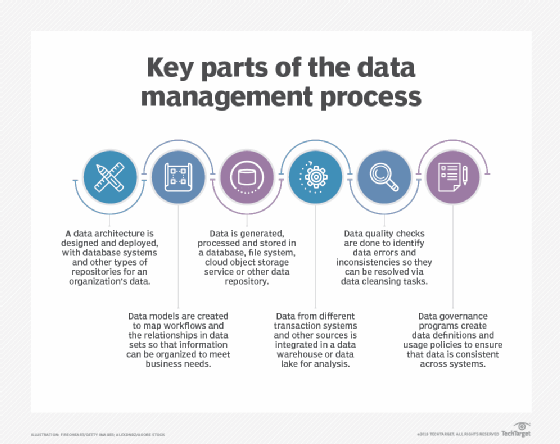
In today's data-driven world, streamlining your data management process is essential for improving efficiency and effectiveness within your organization. Start by implementing a clear data governance framework that outlines policies and procedures for data collection, storage, and usage. This framework will not only enhance data quality but also ensure compliance with regulations. Additionally, consider adopting data management tools that automate repetitive tasks, allowing your team to focus on analysis and decision-making.
Another key practice is to prioritize data categorization and organization. By creating a well-structured data hierarchy, you can make it easier for your team to access and utilize information. Implementing metadata tagging will further enhance searchability and retrieval. Moreover, establish regular training sessions for your staff to keep them updated on the latest data management technologies and practices. By fostering a culture of continuous improvement, you can effectively streamline your data management process and drive better business outcomes.
How Poor Data Management Can Cost Your Business Time and Money
Effective data management is critical for businesses, yet poor data practices can lead to significant inefficiencies. When data is not organized or consistently updated, employees spend an inordinate amount of time searching for necessary information, which can slow down decision-making processes. According to a study, inefficient data management can waste up to 30% of a company's operational time. Furthermore, this leads to a cascading effect where productivity decreases, and deadlines are missed, ultimately costing your business valuable time and money.
In addition to wasted time, poor data management can also introduce financial risks. Inaccurate or incomplete data can result in misguided business decisions that can have detrimental effects on revenue and profitability. For instance, a lack of reliable data analysis might cause a company to invest in the wrong markets or miss out on lucrative opportunities. As such, implementing effective data management practices is not just about maintaining order; it's a strategic investment that can help prevent losses and ensure sustained growth in today's competitive landscape.